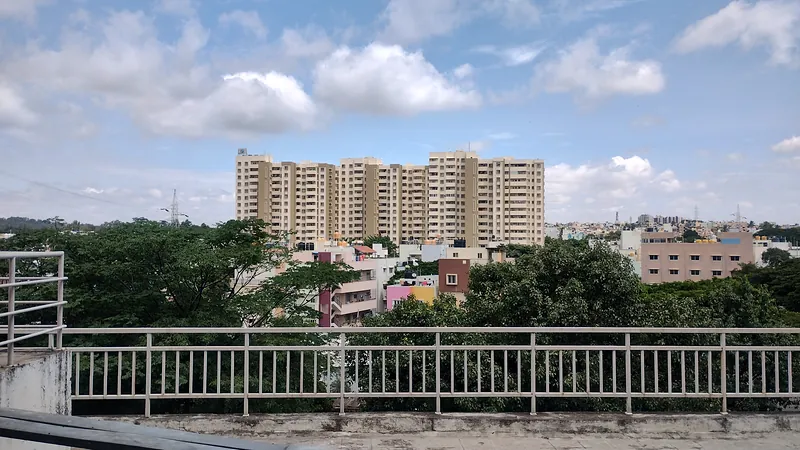
Buying a resale flat in Bengaluru: the documents to check
Title deeds, the encumbrance certificate, the e-Khata, approvals, dues, the seller's loan and a power of attorney: what each document is, who issues it and what to look for before you buy a resale flat.
By Nest Partners Editorial Team
Published 5 October 20268 min readSources checked 5 October 2026
Key takeaways
- Have a property lawyer examine the documents and give you a written title report before you pay more than a token.
- A sale passes ownership only by a registered deed, so every sale in the title chain should be a registered document.
- An encumbrance certificate shows registered transactions only; it does not show court cases, so read it with the other checks.
- In the Greater Bengaluru Area the seller needs a final, transactable e-Khata before the sale can be registered.
- If the seller has a loan, agree in writing how it will be closed and the original documents returned.
On this page
- Why a property lawyer comes first
- The title chain
- The encumbrance certificate
- The e-Khata
- Property tax receipts
- Building approvals
- Association, utility and tax dues
- The seller's home loan
- When the seller lives abroad
- The checklist
- Questions to ask the seller
- Common questions
- Is a nil encumbrance certificate enough on its own?
- Can I register the sale if the e-Khata is still in the previous owner's name?
Before you buy a resale flat in Bengaluru, see and have a lawyer check the chain of registered sale deeds, an encumbrance certificate, the final e-Khata, property tax receipts, the building's plan sanction and occupancy certificate, the association's and utilities' no-dues, and, if the seller has a loan, the lender's statement and closure arrangement. This checklist explains what each document is, who issues it and what to look for. It supports our guide to buying your first home in Bengaluru. It is general information, not legal advice: a property lawyer should review the documents for your purchase, and their fee is small next to the price of a mistake.
Why a property lawyer comes first
A resale flat has a history: earlier owners, earlier loans and records held by several offices. Your lawyer reads that history for you. Ask them to examine the title chain, confirm the seller's right to sell, review the encumbrance certificate, the e-Khata and the approvals, check how any loan will be closed, and review the agreement and the sale deed. Ask for the conclusions in a written title report.
Your lender will run its own legal check if you take a loan. That check protects the lender. It is a useful second opinion, not a substitute for advice that works for you.
The title chain
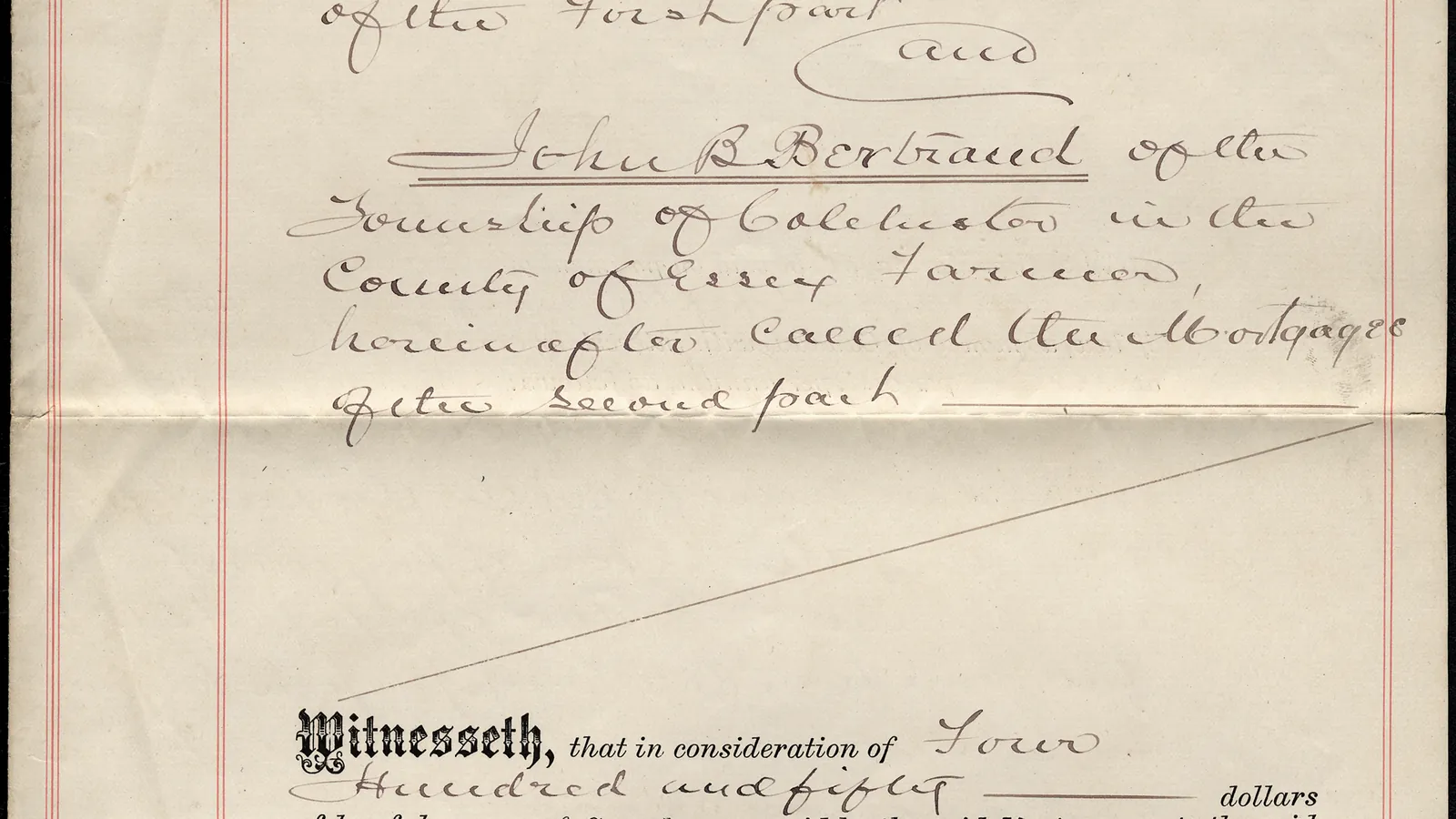
A sale passes ownership of a flat only through a registered document. Under the Transfer of Property Act, 1882, a sale of property worth one hundred rupees or more can be made only by a registered instrument, and an agreement to sell does not, by itself, give the buyer any interest in the property. So the chain you need to see is a chain of registered documents.
For a flat, that usually starts with the builder's sale deed to the first owner and continues through each later sale, gift, partition or settlement to the seller. Your lawyer will also look at the land title the builder relied on and the flat's share in the land. Check that:
- every sale in the chain is a registered document;
- the names match the identity documents and the property records;
- the description of the flat and its boundaries is the same in each deed;
- where an owner inherited the flat, the heirs' documents are in order, as your lawyer advises.
Certified copies of registered documents can be obtained from the Department of Stamps and Registration, including through its Kaveri portal.
The encumbrance certificate
An encumbrance certificate is a record of the registered transactions on a property over a period you choose. If nothing was registered against the property in that period, a nil encumbrance certificate is issued. For the period from 1 April 2004 you can apply online through Kaveri; for earlier years you file an e-signed application through Kaveri, which goes to the sub-registrar's office.
Read it line by line. Every sale in the title chain should appear, and so should any mortgage and its release. Look for anything that does not fit, such as a sale or agreement in favour of someone else. Two limits matter: the certificate shows registered documents only, and pending court cases do not appear in it at all. Your lawyer will advise on other searches.
The e-Khata
The khata is the city's record of a property and the person responsible for its property tax. Since October 2024, Bengaluru's records have been digitised as e-Khatas, now run by the Greater Bengaluru Authority and its city corporations. Treat the e-Khata as one record among several, not as proof of title on its own.
Three things to check:
- It is final. A draft e-Khata is the digitised old record; a final e-Khata adds verified details such as Aadhaar-checked owners. In the Greater Bengaluru Area, a sale cannot be registered without a final e-Khata.
- It is transactable. A final e-Khata starts out marked non-transactable, to stop a former owner reselling a property. It becomes transactable once an encumbrance certificate, running from the day before the owner's sale deed to 31 October 2024, is uploaded and matches the records.
- It is an A-khata or a B-khata. An A-khata covers properties that meet planning rules; for a flat, that means a valid building plan approval and an occupancy certificate. A B-khata covers properties with deficiencies, such as a layout created without planning approval or a building without an approved plan or occupancy certificate. Ask your lawyer and your lender what a B-khata means for this purchase before going further.
Property tax receipts
Ask for recent property tax receipts and check them on the city corporation's property tax portal. The property ID on the receipts should match the e-Khata, and tax should be paid up to date.
Building approvals
- Plan sanction. The approved building plan from the planning or building authority. The building as built, its floors and its number of flats, should match it.
- Commencement certificate. The permission to begin construction under that plan.
- Occupancy certificate. Issued once the building is complete. It matters for the e-Khata, as above, and it is one of the clearest signs that the building was finished as approved.
Association, utility and tax dues
Unpaid bills have a way of following the flat. Before registration, ask for:
- a no-dues letter from the owners' association or society, with its rules on transferring membership and any special levies already approved;
- the latest electricity and water bills, paid, with the connection details for the flat;
- confirmation that property tax is paid, as above.
The seller's home loan
If the seller has a home loan, the lender may be holding the original title documents. The loan has to be closed, and the originals returned, as part of the sale. A sound sequence:
- The seller obtains a statement from the lender of the exact amount needed to close the loan.
- The agreement for sale records that this amount is paid directly to the seller's lender from the price.
- The lender confirms closure in writing and releases the original documents.
- Any registered mortgage is released, so that the release can appear in a later encumbrance certificate.
The encumbrance certificate shows registered documents only, so also run a search on the CERSAI central register, where any member of the public can search for security interests on an immovable property for a fee.
When the seller lives abroad
A seller who lives abroad may sign through someone in India holding a power of attorney. Check that the power of attorney specifically authorises the sale of this flat, that it is still valid, and that it was executed and stamped as Indian law requires; Kaveri asks for a copy of the power of attorney to be uploaded with the application. Power of attorney for NRI property owners explains the document in more detail.
Tax works differently too. The 1 per cent tax deducted at source that applies when you pay a resident seller does not apply to a non-resident seller, who falls under separate rules. Speak to a chartered accountant before you make the first payment.
The checklist
| Document | Who issues it | What to check |
|---|---|---|
| Sale deeds in the title chain | Registered at the sub-registrar's office | An unbroken registered chain to the seller; names and property description match |
| Encumbrance certificate | Department of Stamps and Registration, applied for through Kaveri | Every sale, mortgage and release; no unexplained entries; period up to date |
| Final e-Khata | The city corporation, through the GBA e-Khata system | In the seller's name; transactable; A-khata or B-khata |
| Property tax receipts | The city corporation | Paid up to date; same property ID as the e-Khata |
| Building plan sanction | The planning or building authority | The building as built matches the plan |
| Commencement and occupancy certificates | The planning or building authority | Issued for this building |
| Association no-dues and membership papers | The owners' association or society | No arrears; transfer process; pending levies |
| Electricity and water bills | BESCOM and BWSSB | Paid; connection details for the flat |
| Loan statement and closure letter | The seller's bank or housing finance company | Amount to close; originals returned; release recorded |
| Power of attorney, if used | Executed by the seller | Authorises this sale of this flat; still valid |
| CERSAI search report | CERSAI | Any security interest registered on the flat |
Questions to ask the seller
- How long have you owned the flat, and how did you acquire it?
- Is there a loan on it, and with which lender?
- Are there any disputes, notices or court cases about the flat or the building?
- Is the e-Khata final, in your name and transactable?
- Are property tax, association dues and utility bills paid up to date?
- What stays with the flat: fittings, appliances, parking?
- When can you give vacant possession, and is a tenant living there now?
Common questions
Is a nil encumbrance certificate enough on its own?
No. It shows that nothing was registered against the property in the period searched, but it does not show court cases or interests that were never registered. Read it alongside the title chain, the CERSAI search and your lawyer's report.
Can I register the sale if the e-Khata is still in the previous owner's name?
Not in the Greater Bengaluru Area: registration needs a final e-Khata, and the seller has to bring their record up to date first. Ask for this early, because it can take time.
Once the documents are in order, the next step is the sale deed itself. Stamp duty and registration in Karnataka explains the charges and the Kaveri process, and if you are buying to let, how Nest Partners manages a rental home covers what happens after the keys change hands.
Sources
Checked on 5 October 2026.
- The Transfer of Property Act, 1882 (opens in a new tab) · India Code, Government of India
- Kaveri 2.0 online services (opens in a new tab) · Department of Stamps and Registration, Government of Karnataka
- Kaveri 2 Related FAQs (opens in a new tab) · Department of Stamps and Registration, Government of Karnataka
- Encumbrance Certificate After 01-04-2004 (opens in a new tab) · Department of Stamps and Registration, Government of Karnataka
- Encumbrance Certificate Before 01-04-2004 (opens in a new tab) · Department of Stamps and Registration, Government of Karnataka
- e-Khata 2.0: frequently asked questions and Khata services (opens in a new tab) · Greater Bengaluru Authority
- About GBA (opens in a new tab) · Greater Bengaluru Authority
- Public search of the Central Register (opens in a new tab) · Central Registry of Securitisation Asset Reconstruction and Security Interest of India
- Section 393: Tax to be deducted at source (Income-tax Act, 2025) (opens in a new tab) · Income Tax Department, Government of India
- Income-tax Act, 2025 comes into force from 1st April, 2026 (opens in a new tab) · Income Tax Department, Government of India
General information, not financial, tax or legal advice. Rules, rates and procedures change: confirm the current position at the source, or with a qualified professional, before you act.
- Buyers
- Resale
- Documents
- e-Khata
- Encumbrance certificate
- Bengaluru
Written and published by
Nest Partners Editorial Team
The editorial team of Nest Partners, a technology-enabled residential property management company headquartered in Bengaluru and working with owners and tenants in Bengaluru, Hyderabad and Mumbai. Rules and rates are checked against the primary sources listed, on the date shown. How Insights is written · About Nest Partners
Buying to let, or letting later?
When the home is ready to rent, we can run it.
Nest Partners manages rental homes end to end in Bengaluru, Hyderabad and Mumbai: tenant placement, rent, repairs, inspections and the records, visible in an owner portal.