Moving into a rental home: a move-in checklist for tenants
Before the move, on the day and in the first week: a practical checklist that protects your deposit and starts the tenancy from a record both sides agree on.
By Nest Partners Editorial Team
Published 5 October 20265 min read

Key takeaways
- Approve the agreement and pay the deposit by a traceable method, with a receipt, before you move.
- On the day, walk every room against the inventory, photograph everything, read the meters and count the keys.
- Report anything that does not work in the first week, in writing and with photos, so it counts as the home's condition at move-in.
- Keep the agreement, receipts, the move-in record and your messages in one place for the whole tenancy.
Moving into a rented home goes best in three stages. Before the move, read and approve the agreement, pay the deposit by a traceable method and get a receipt. On the day, walk through every room against the inventory, photograph everything, read the meters and count the keys. In the first week, test what you can and report faults in writing. How much of your deposit comes back at move-out depends largely on the record made at the start, so a little care now makes the end of the tenancy much easier.
Before the move
Most of the useful work happens before the van arrives:
- Read the whole agreement before you approve it: the rent and its due date, the deposit, maintenance charges, notice, lock-in, renewal, responsibility for repairs and the inventory schedule.
- Ask about anything you do not understand, and get changes written into the agreement rather than promised in conversation.
- If repairs or a deep clean were promised during the visit, ask for them to be listed and finished before handover.
- Pay the deposit and any advance rent by bank transfer or UPI, and get a receipt for each payment.
- Confirm when the first rent is due, the account it goes to and how you record a payment.
- Ask how electricity, water and gas are billed, whether any accounts move into your name, and which readings will be recorded at handover.
- Book the internet connection early, so the first week is not spent without it.
- Check the society's rules: permitted move-in times, lift bookings, any registration with the association and parking.
- Keep ID ready for every adult moving in; documents you need to rent a home lists what is usually asked for. Where police verification applies, the owner or the manager coordinates it through the local police process.
On the day: walk through against the inventory
Before you unpack, walk through every room with the owner or the property manager, with the inventory in hand. For each item, check that it is there and that it works: fans, lights, switches, sockets, taps, flushes, water heaters, the kitchen chimney and every appliance. Note existing marks, cracks, stains, chipped tiles and damp patches as you go, room by room.
Agree the notes before you sign the record. If something on the inventory is missing or broken, write it down now rather than mentioning it later. If a promised repair has not been done, note that too, with the date by which it will be finished. A record you have checked and agreed is far easier to rely on than one you were simply handed.
Photos and video
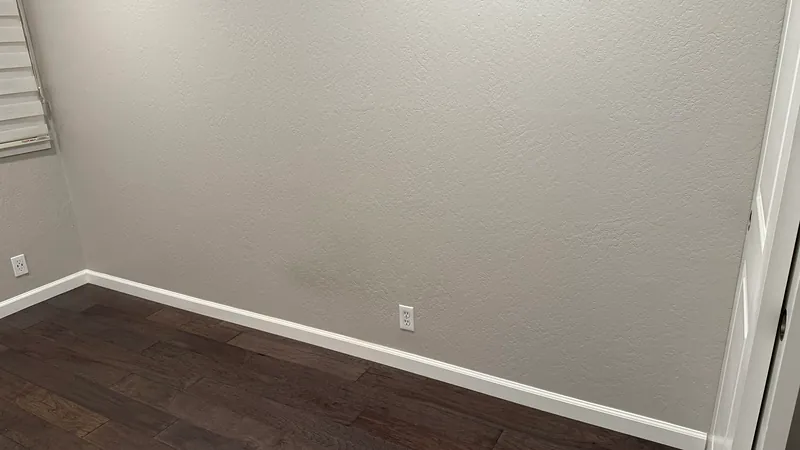
Take your own dated photographs and a short video of every room, even if the owner or manager is doing the same. Photograph the walls, floors, doors and windows, then take close-ups of anything already damaged. Open the cupboards, and photograph the inside of appliances such as the fridge and the washing machine.
Share them with the owner or the manager on the same day, so they become part of the shared record rather than sitting only on your phone.
Meter readings, keys and access cards
Two small records prevent two common move-out disagreements.
Meter readings. Note the electricity, water and gas readings with the date, and photograph each meter. Final bills at move-out are worked out from these readings, so an accurate start protects you from paying for someone else's use.
Keys and access. Count every key, access card, remote and parking tag you receive, and make sure the record shows how many of each. Keys for the main door, bedrooms, cupboards and the letterbox all count. If one goes missing during the tenancy, say so promptly rather than at move-out.
The first week
Some problems only show up once you are living in the home. In the first week:
- run the hot water in every bathroom, and try each socket you use;
- watch the drains after a full load of washing and a shower;
- look for leaks under the sinks and around the water heaters;
- find the main water valve, the electricity distribution board and the gas shut-off;
- save the contact details for repairs and emergencies;
- introduce yourself to the society office, and find out how visitors, deliveries and parking work;
- report anything that does not work, in writing and with photos.
Reporting early matters. A fault reported in the first week is clearly part of the home's condition at move-in, not something that happened during your tenancy. How maintenance works in a managed rental explains what happens after you report it.
A one-page summary
| When | Do | Keep |
|---|---|---|
| Before the move | Approve the agreement; pay by transfer or UPI | The agreement and every receipt |
| On the day | Walk through against the inventory; photograph; read meters; count keys | The signed record, your photos, the readings |
| First week | Test everything; report faults in writing | Your reports and the replies |
| Throughout | Keep records in one place | A dated timeline of anything reported |
Keep your records together
Keep everything about the tenancy in one place: the agreement, the deposit receipt, rent receipts, the move-in record, your photos and any messages about repairs. Note the date of anything you report and keep the replies; if a question comes up later about when a problem started, your own timeline answers it. At move-out, the home is checked against the move-in record, and good records turn that check into a comparison rather than a negotiation. Security deposits and moving out explains the end of the tenancy, and why move-in records matter how fair wear is separated from damage.
How move-in works with Nest Partners
When Nest Partners manages a home, the move-in is recorded as standard: the condition of each room, the inventory, the meter readings and the keys handed over. Your agreement and documents are in the tenant portal, along with your rent and receipts, and you can report a repair there and follow it to completion. The tenants page covers the rest of renting with Nest Partners. If you are still deciding where to live, finding a rental home in Bengaluru covers the search, and the most useful habit to take into any tenancy is the one above: date it, photograph it and keep it.
- Tenants
- Move-in
- Checklist
Written and published by
Nest Partners Editorial Team
The editorial team of Nest Partners, a technology-enabled residential property management company headquartered in Bengaluru and working with owners and tenants in Bengaluru, Hyderabad and Mumbai. Rules and rates are checked against the primary sources listed, on the date shown. How Insights is written · About Nest Partners
Looking for a home?
Find a well-run home to rent.
Visits on Nest Partners are request-and-confirm, the move-in is recorded, and managed homes come with a tenant portal for rent, documents and repairs.