Move-in inventory and condition records: why they matter at move-out
A good move-in record is boring on purpose. Inventory lists, dated photos, meter readings and a key register turn the move-out deposit conversation into a comparison of facts.
By Nest Partners Editorial Team
Published 5 October 20264 min read

Key takeaways
- Most deposit disputes come from two memories of the same room, and a dated, signed move-in record replaces memory with evidence.
- Record the inventory, each room's condition, dated photos and video, meter readings and every key, and have both sides sign.
- At move-out the home is compared with the record, which separates fair wear and tear from damage.
- Self-managing owners should keep the same record and update it whenever something is replaced.
A move-in record is a dated, signed description of the home on the day the tenant moves in: what is in it, what condition each room is in, the meter readings and the keys handed over. It matters because most deposit disputes are not about dishonesty. They are about two people remembering the same room differently a year or two apart, and the cure is not a tougher negotiation at move-out but a better record at move-in. Property management in Bengaluru shows where it fits in the rest of a managed tenancy.
What a complete move-in record contains
| Record | How to make it | Why it matters at move-out |
|---|---|---|
| Inventory list | Every item, room by room, with brand and condition | Shows what should still be there |
| Condition notes | Walls, floors, doors, windows, switches, plumbing | Separates old marks from new damage |
| Dated photos and video | Wide shots from each doorway, close-ups of defects | Evidence both sides reach for first |
| Meter readings | Electricity, water and gas, with a photo of each dial | Settles final bills |
| Key and access register | Every key, card, remote and tag, by number | Avoids charges for "missing" keys |
| Signatures | Both sides sign; both keep a copy | Makes the record shared, not one-sided |
Be specific in the inventory. "Sofa, three-seater, fabric, small stain on left arm" is a record; "sofa" is a guess. List the geyser, the gas connection and even the number of remote controls.
Note what is already wrong. Existing marks, cracks and scratches go in now, so nobody is asked to pay for them later.
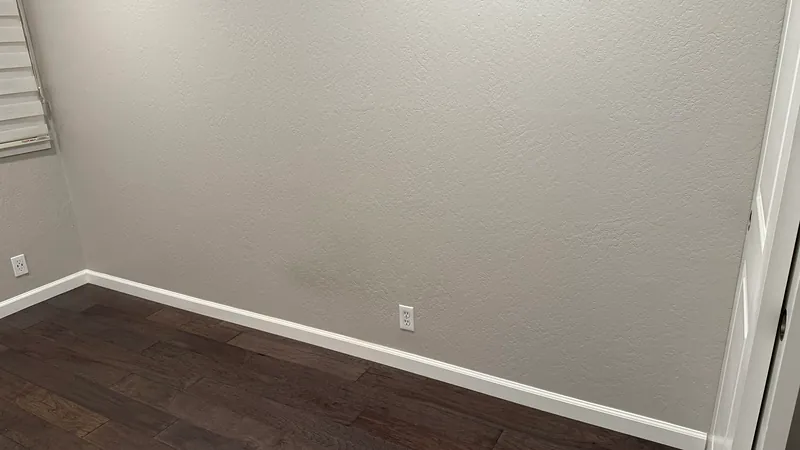
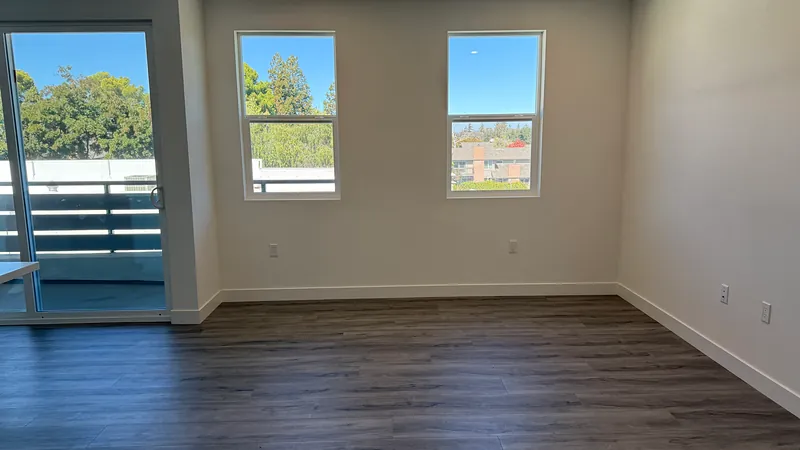
Take more photos than feels necessary. A short video walk-through adds what still photos miss. Storage is cheap and memory is not.
Read the meters and photograph them. Utility disputes are small individually and tiresome collectively; a reading on day one closes most of them before they start.
Why it matters at move-out
At the end of the tenancy the home is inspected again, against the move-in record. With a good record, the questions are simple:
- Is this item still here?
- Is this mark new, or was it noted on day one?
- Do the meter readings reconcile with the move-in readings?
- Were all the keys and access cards returned?
Each answer is yes or no, and each no has a photo beside it. That turns the deposit settlement into arithmetic: fair wear and tear is separated from damage, agreed deductions are listed with their evidence, and the balance is returned. Security deposits and moving out explains the settlement from the tenant's side.
Fair wear and tear versus damage
Faded paint behind a sofa, a worn patch of carpet by the door and a loose hinge after years of use are the ordinary cost of letting a home. A cracked basin, a burn on the counter or a missing fitting is not. Without a baseline, every one of these becomes a debate about whether it was there before. With a baseline, it is a comparison.
How Nest Partners does it
A Nest Partners tenancy begins with a recorded move-in: the inventory, the condition of each room with dated photos, the meter readings and the keys handed over, visible to the owner in the owner portal alongside later inspections, which are planned twice a year with photo and video evidence. Tenants see their documents in the tenant portal, and the move-in checklist for tenants shows them what to check on the day. At move-out, the home is inspected against that record and the settlement is worked out from the evidence, following the steps the agreement sets. How management works shows where the record fits in the rest of the service.
If you are managing the home yourself
Do the record anyway. Use a simple template, photograph everything, read the meters, list the keys and get both signatures. It takes part of move-in day and saves far more than that at the end. Update it whenever something is replaced during the tenancy, and keep it with the inspection reports, so that later inspections always have a baseline to compare against.
- Owners
- Move-in
- Deposits
Written and published by
Nest Partners Editorial Team
The editorial team of Nest Partners, a technology-enabled residential property management company headquartered in Bengaluru and working with owners and tenants in Bengaluru, Hyderabad and Mumbai. Rules and rates are checked against the primary sources listed, on the date shown. How Insights is written · About Nest Partners
Own a rental home?
Let a property manager run it with you.
Nest Partners runs the tenancy end to end, from tenant placement and rent to repairs, inspections and the records, with approvals, statements and inspection reports in your owner portal.