Property management agreements: what to check before you sign
Scope, fees and when they start, repair approval limits, how rent flows, deposit custody, notice and exit, tenant selection, inspections, liability, disputes and data: the clauses to read before you sign.
By Nest Partners Editorial Team
Published 5 October 20267 min readSources checked 5 October 2026

Key takeaways
- A management agreement should describe the services, the fees and the exit as precisely as a rental agreement describes the tenancy.
- Check when the fee starts, what the manager can spend without you and who holds the tenant's security deposit.
- The agreement should leave the final decision on the tenant with you and list everything handed back when it ends.
- Have a lawyer review the draft, especially if you live abroad or are giving anyone authority to act in your name.
On this page
- Two agreements, two relationships
- The clauses to read closely
- Scope of services
- Fees, and when they start
- Repair approvals and charges
- How rent flows, and the statements
- Security deposit custody
- Tenant selection
- Inspections and reports
- Authority to act in your name
- Term, notice and exit
- Liability and insurance
- Disputes
- Data and communication
- Stamping, signing and keeping a copy
- Before you sign: a checklist
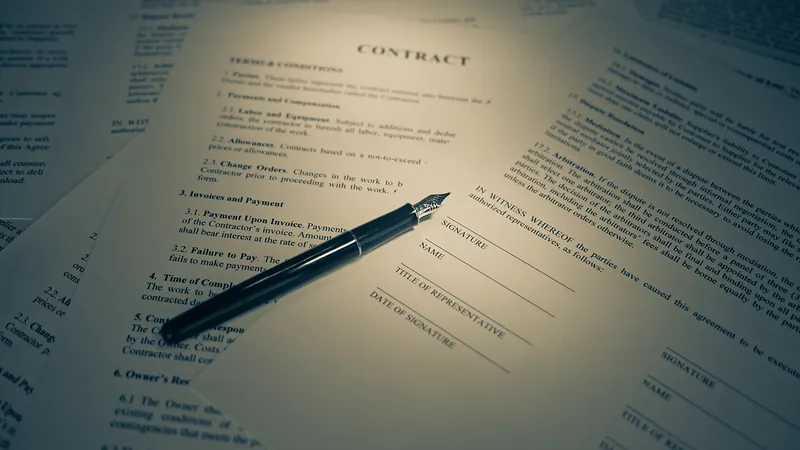
A property management agreement is the contract between you and the company that will run your rental home. It sits alongside the rental agreement with your tenant rather than replacing it, and it decides what the manager may do in your name, what you will pay and how you part ways if it does not work out. This guide goes through the clauses worth reading closely. It is general information, not legal advice: have a lawyer review the draft before you sign.
Two agreements, two relationships
A managed tenancy usually rests on two separate contracts. The rental agreement sets the terms between you and your tenant: the rent, the deposit, the notice period and who repairs what. The management agreement sets the terms between you and your manager: the services, the fees, the approvals and the exit.
The two must agree with each other. If the rental agreement says the owner holds the security deposit, for example, the management agreement should not have the manager holding it. Rental agreements in Bengaluru covers the first contract; this guide covers the second. If you are still comparing managers, how to choose a property management company comes first, and property management in Bengaluru shows where the agreement fits in the wider picture.
The clauses to read closely
Scope of services
The scope should be a list, not a promise. Look for a schedule that names each service, such as tenant placement, the rental agreement, the move-in record, rent follow-up, repairs, inspections, renewals and the move-out, and says which are included in the fee and which are charged separately. Anything not listed is, in practice, yours to do. What a property manager does is a useful checklist to compare it against.
Fees, and when they start
Check the basis of the fee (a percentage of rent collected or of rent due, a fixed amount, or a minimum), the date it starts and what happens in months when the home is empty or the rent is late. Then look for every other charge by name: tenant placement, renewals, agreement preparation, inspections and any charge on repairs. How much property management costs explains how to compare them. Nest Partners has no sign-up fee, and its property-management fee starts when rent collection starts; the published fee is on the owners page.
Repair approvals and charges
This clause decides how much the manager can spend without asking you. It should set an approval limit in rupees, say what counts as an emergency that can be handled before you are reached, and require a quote before any other chargeable work. If the manager adds a coordination charge to work it arranges, the agreement should say how the charge is worked out and which jobs it applies to. Ask how finished work is evidenced: photographs and a check before the job is closed are reasonable to expect.
How rent flows, and the statements
The agreement should say which account the tenant pays the rent into, when it reaches you and what may be deducted on the way, such as the fee or approved repairs. It should commit the manager to a receipt for each payment and a monthly statement showing the rent due, the rent received, each deduction and the amount paid out. If you are non-resident for tax purposes, your tenant generally has to deduct tax from the rent before paying it; ask how that will appear on your statements, and read TDS on rent for NRI landlords.
Security deposit custody
Find out who will hold the tenant's security deposit, you or the manager on your behalf, in which account, and how it will be recorded. The agreement should also say what happens to the deposit if the management agreement ends while the tenancy continues, so that the money and the record of it come back to you intact. Security deposits and moving out explains how a deposit is settled at the end of a tenancy.
Tenant selection
The agreement should state that you approve the tenant before anything is signed. It may describe the manager's screening routine, which is useful, but it should not give the manager the final say. A clause that allows placement without your approval is a reason to stop and ask, however efficient it sounds.
Inspections and reports
Look for how often the home will be inspected, how much notice the tenant will be given, what evidence each report will contain and where you will see it. A clause that says inspections happen "as needed" tells you very little. For comparison, Nest Partners plans inspections twice a year, with photo and video evidence.
Authority to act in your name
Read carefully what the manager may sign, agree to or receive on your behalf. Signing a rental agreement, receiving rent or deposits, dealing with the association and engaging tradespeople are different powers, and each should be stated. If a power of attorney is proposed, it should be limited to what is genuinely needed and reviewed by your lawyer; power of attorney for NRI property owners explains why the drafting matters.
Term, notice and exit
Check the minimum term, the notice either side must give, any charge for ending early and what happens to a tenancy that is running when the agreement ends. Then check the handover clause, which matters more than it looks. When the agreement ends, you should receive:
- the keys, access cards and remotes;
- the original documents you handed over;
- the tenancy records: the agreement, the move-in record, inspection reports, receipts and statements;
- any money held for you, including the deposit if the manager holds it;
- the tenant's contact details, with the tenant told who to deal with from then on.
Liability and insurance
Who pays if a tradesperson the manager engaged damages the home, or if a mistake by the manager costs you money? Agreements often limit the manager's liability; read the limit and decide whether it is reasonable for what the manager will control. Ask whether the manager carries insurance of its own, and remember that insuring the structure and your contents is normally your own responsibility as the owner.
Disputes
Look for how a disagreement is raised, how it is escalated and, if it cannot be settled, where and how it is resolved: in the courts or through arbitration, and in which city. An arbitration clause can be perfectly reasonable, but understand what you are agreeing to before you sign.
Data and communication
The manager will hold copies of your documents and your tenant's, and probably your bank details. The agreement should say how notices and approvals are given (by email, through an owner portal or both), who may see your documents and how they are kept. The Digital Personal Data Protection Act, 2023 sets duties for organisations that handle personal data, and the rules notified in November 2025 phase compliance in; a careful manager should be able to explain how it meets them.
Stamping, signing and keeping a copy
In Karnataka, stamp duty on documents is governed by the Karnataka Stamp Act, 1957, and the Department of Stamps and Registration publishes its schedule of duties and fees. Ask whether your management agreement needs to be stamped, how much the duty is and who pays it, and keep a complete signed copy, with every schedule attached, somewhere you can reach it from anywhere.
Before you sign: a checklist
- Read the whole agreement, including every schedule.
- Match the fee clause to the fee you were quoted, and note when it starts.
- Write your repair approval limit, and what counts as an emergency, into the agreement.
- Confirm the rent account, the payout date and the monthly statement.
- Confirm who holds the security deposit and how it is recorded.
- Confirm that you approve the tenant before anything is signed.
- Check the inspection schedule and the evidence each report will contain.
- Check the notice period, any exit charge and the handover list.
- Limit any authority, or any power of attorney, to what is genuinely needed.
- Have a lawyer review the draft, especially if you live abroad.
Promises made in a meeting are easy to remember and hard to rely on. If a manager has told you something that matters to you, such as how often the home will be inspected or a cap on charges, ask for it to be written into the agreement before you sign.
Sources
Checked on 5 October 2026.
- Stamp Duty and Registration Fees (opens in a new tab) · Department of Stamps and Registration, Government of Karnataka
- Government notifies DPDP Rules to empower citizens and protect privacy (opens in a new tab) · Press Information Bureau, Ministry of Electronics & IT
- Income-tax Act, 2025 (30 of 2025), as amended by the Finance Act, 2026 (opens in a new tab) · Income Tax Department
- Owners
- Property management
- Agreements
- Checklist
Written and published by
Nest Partners Editorial Team
The editorial team of Nest Partners, a technology-enabled residential property management company headquartered in Bengaluru and working with owners and tenants in Bengaluru, Hyderabad and Mumbai. Rules and rates are checked against the primary sources listed, on the date shown. How Insights is written · About Nest Partners
Own a rental home?
Let a property manager run it with you.
Nest Partners runs the tenancy end to end, from tenant placement and rent to repairs, inspections and the records, with approvals, statements and inspection reports in your owner portal.