From vacant flat to rental income: getting a home rent-ready
Repairs and safety checks, furnishing choices, the documents to have ready, pricing from real comparables, photographs, association rules, and what each empty month really costs.
By Nest Partners Editorial Team
Published 5 October 202610 min read
Key takeaways
- Fix, clean and safety-check the home before it is photographed, because the first listing and visits set the rent and the pace.
- Choose a furnishing level for the tenants you want, and list every item you leave behind, room by room.
- Price from homes like yours that are available now, adjusted honestly for condition, floor, furnishing and maintenance.
- A month or two of vacancy can take years to recover through a slightly higher rent, so a realistic price usually pays.
- Have ownership papers, association rules, utility details and keys ready before the first enquiry, not after the first offer.
On this page
- Get the home ready before anyone sees it
- Repairs
- Cleaning and paint
- Safety checks
- Appliances
- Small upgrades worth considering
- Choose a furnishing level
- Documents to have ready
- Price the rent from real comparables
- List it well
- Know the association's rules for tenants
- What an empty month really costs
- Shortening the vacancy
- A rent-ready checklist
A vacant flat costs money every month: association maintenance, property tax and any loan repayment carry on whether or not rent arrives. The quickest route to rental income is rarely a lower rent. It is a home that is ready to move into, priced from real comparables, shown well and easy to say yes to. This guide covers the work between an empty flat and a signed tenancy, in the order it usually makes sense to do it.
Get the home ready before anyone sees it
First impressions set both the rent and the pace of letting, so fix, clean and check the home before it is photographed, not after the first visit.
Repairs
Walk every room with a notebook and test everything: taps, flushes, drains, water heaters, switches, sockets, fans, lights, door locks, window latches and mosquito mesh. Look for damp and seepage, especially on outside walls and around bathrooms after the monsoon, and for loose tiles, failed grout and swollen cabinet doors. Fix what is broken now. A tenant who moves in to a list of promised repairs starts the tenancy waiting.
Cleaning and paint
A professional deep clean is rarely wasted money: the kitchen and chimney, bathrooms, balconies, fans, windows and the inside of every cupboard. Touch up or repaint marked walls in a neutral colour, and let the paint dry fully before the photographs are taken.
Safety checks
- Electrical: no exposed wiring, a working earth, and the circuit breakers and residual current device in the distribution board tested.
- Gas: the hose, regulator and connection checked, and piped gas inspected by the supplier where it is fitted.
- Water heaters: working thermostats and safety valves, and the earthing checked.
- Balcony railings, window grilles and the main door lock: sound and secure.
- Smoke or gas detectors, if you choose to fit them: tested, with fresh batteries.
Appliances
Have air conditioners, water purifiers and water heaters serviced, note the make and model of every appliance you are leaving, and keep the manuals and warranty cards together for the tenant. An appliance that fails in the first week becomes your first repair request.
Small upgrades worth considering
The upgrades that help most are usually the modest ones a visitor notices in the first minute or a tenant uses every day:
- brighter lighting in dark rooms, corridors and the kitchen;
- new tap fittings, shower heads or flush handles where the old ones are worn or stained;
- fresh grout and sealant around basins, sinks and showers;
- curtain rods, towel rails and hooks in every room that needs them;
- mosquito mesh on windows that lack it, and locks and handles that work smoothly;
- kitchen cabinet hinges and drawer runners repaired or replaced.
Judge larger work, such as a new kitchen or bathroom, on whether it makes the home easier to let and cheaper to maintain over the years, not on the hope of a higher rent.
Choose a furnishing level
| Furnishing | Usually includes | Tends to suit | Trade-offs |
|---|---|---|---|
| Unfurnished | Kitchen cabinets, lights, fans and bathroom fittings | Families and long-stay tenants with furniture of their own | Fewer items to maintain or dispute; some applicants will look elsewhere |
| Semi-furnished | The above, plus wardrobes, water heaters, a kitchen chimney and sometimes curtains | A broad range of applicants | A short inventory and a sensible middle ground for many homes |
| Fully furnished | Furniture, appliances and soft furnishings | Professionals relocating for work, including those who may move again | A long inventory, more wear and replacement, and more to check at move-out |
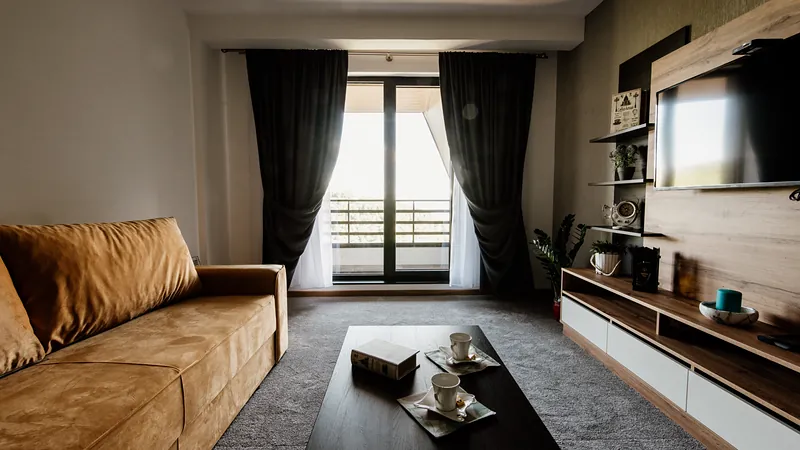
Whatever you choose, list every item you leave, room by room and with its condition, before the first tenant moves in. The inventory becomes part of the agreement and of the move-in record; move-in inventory and condition records explains how to build one that settles questions at move-out.
Documents to have ready
Have these ready before the first enquiry, so that a good applicant is not left waiting for paperwork:
- proof of ownership, such as the sale deed, with the latest property tax receipt and the khata extract;
- the association's rules for tenants, its tenant registration form if it has one, and a receipt showing maintenance dues are clear;
- electricity and water account details, the latest paid bills and the gas connection details;
- your identity proof, and details of the bank account the rent will be paid into;
- the consent of every co-owner, if the home is jointly owned;
- the name of someone authorised to act for you in India, if you live abroad;
- every key, access card and remote, counted and labelled.
Share copies, never originals. If you live outside the city, managing a rental home from another city or abroad covers what can be handled remotely.
Price the rent from real comparables
Rent is set by what tenants could choose instead, not by what you paid, what you owe or what a neighbour asked last year. To price it sensibly:
- Find homes like yours that are available now: the same configuration and a similar size, floor, age and furnishing, ideally in the same community or the streets around it.
- Note what each includes. Is maintenance in the rent or on top? Is there parking, backup power, a usable balcony?
- Adjust honestly for condition. A freshly painted, well-kept flat can sit at the upper end of its comparables; one with dated bathrooms cannot.
- Decide the deposit, and the terms you are flexible on: the move-in date, pets, furnishing and any lock-in.
- Watch the response. Enquiries without visits usually point to the photographs or the price; visits without offers, to the condition or the price; silence, to the price or where the home is listed.
Renting out your flat in Bengaluru sets out the full letting sequence, and the neighbourhood guide for owners describes who tends to rent in different parts of the city.
List it well
A listing has two jobs: to attract the right applicants and to put off the wrong ones.
- The photographs. Take them in daylight, after cleaning, from the doorway of each room, with the lights on and personal items out of sight. Include the kitchen, every bathroom, the balcony and the view, and add a short video walk-through and a floor plan if you have one.
- The description. Say plainly what is included, what maintenance costs and who pays it, the deposit, when the home is available and any association rules a tenant must follow. Describe the home as it is, in plain words, rather than as an advertisement.
- Honest disclosure. Mention what a tenant will find out anyway: water that depends on tankers in some months, building work next door, a busy road, limited parking or a ban on pets. An applicant who knows before the visit is not lost at the visit, and is not aggrieved after moving in.
- Privacy. Keep the exact address and your phone number out of public listings.
On Nest Partners, the home is photographed and listed, visits are request-and-confirm and never auto-booked, and tenants pay no brokerage fee on applicable Nest Partners-listed residential homes, though stamp duty, registration and similar charges may still apply. Tenant placement describes the rest of the process, through screening to your approval of the tenant, and property management in Bengaluru explains what full management adds after move-in.
Know the association's rules for tenants
Before you list, ask the association or facility manager for its current rules on tenants, and pass them on with the listing. Rules commonly cover:
- tenant registration and the documents the association asks for;
- any move-in charge or refundable deposit, and who pays it;
- permitted move-in days and times, and lift bookings;
- parking allocation and visitor parking;
- pets, and how they may use the common areas;
- the use of the gym, pool and clubhouse by tenants;
- any restriction on short stays or subletting.
Clear any maintenance dues before the tenant moves in. A tenant turned away from the facilities over an owner's arrears is not a good start to anyone's tenancy.
What an empty month really costs
Owners often hold out for a higher rent, reasoning that a month or two of waiting will be recovered over the tenancy. The arithmetic rarely agrees. The figures below are illustrative only, chosen to make the calculation easy to follow; they are not a guide to rents in any area, and they assume the tenant, not the owner, would have paid the maintenance.
| Item | Illustrative figure |
|---|---|
| Realistic rent from comparable homes | ₹30,000 a month |
| Rent the owner holds out for | ₹31,500 a month |
| Extra months the flat stays empty | 2 |
| Rent lost (2 × ₹30,000) | ₹60,000 |
| Maintenance the owner pays while it is empty (2 × ₹4,500) | ₹9,000 |
| Total cost of waiting | ₹69,000 |
| Extra rent each month at the higher price | ₹1,500 |
| Months of tenancy needed to recover the cost (₹69,000 ÷ ₹1,500) | 46 |
In this illustration it takes 46 months, more than four back-to-back 11-month agreements, just to break even, and that assumes the higher rent holds at every renewal. The rule of thumb works at any rent: divide the months of vacancy by the premium as a fraction of the rent. Two empty months recovered through a 5% premium take 40 months (2 ÷ 0.05), before maintenance is even counted.
Shortening the vacancy
- Start early. If the home is let now, begin marketing once notice is given, with visits arranged as the current agreement allows.
- Price realistically from the first day. A cut after weeks of silence costs more than a sensible price at the start.
- Be flexible on the move-in date where you can. A good applicant who can move in a little later may be worth more than a quick one who is not right for the home.
- Fix the quick things. A dripping tap or a dead light in the photographs costs more in lost interest than it costs to repair.
- Answer quickly, and make visits easy to arrange, with keys and access sorted in advance.
- Decide promptly once screening is complete; strong applicants are often considering more than one home. Tenant screening sets out what to check first.
- Remove small objections: curtain rods, working lights, clean water tanks and a full set of keys ready for the tenant.
A rent-ready checklist
- Repairs done and tested; damp and seepage dealt with.
- Deep clean finished; walls touched up or repainted.
- Electrical, gas and water heater safety checked.
- Appliances serviced, with manuals and warranty cards together.
- Furnishing level decided and the inventory drafted room by room.
- Ownership papers, tax receipt, association rules and utility details ready.
- Maintenance dues cleared and the association informed.
- Rent and deposit set from current comparables.
- Listing written; daylight photographs and a video taken.
- Keys, access cards and remotes counted and labelled.
Once the home is let, keep it in the condition that let it. A year-round maintenance calendar means the next vacancy starts from a home that is already most of the way to ready.
- Owners
- Letting
- Vacancy
- Rent-ready
Written and published by
Nest Partners Editorial Team
The editorial team of Nest Partners, a technology-enabled residential property management company headquartered in Bengaluru and working with owners and tenants in Bengaluru, Hyderabad and Mumbai. Rules and rates are checked against the primary sources listed, on the date shown. How Insights is written · About Nest Partners
Own a rental home?
Let a property manager run it with you.
Nest Partners runs the tenancy end to end, from tenant placement and rent to repairs, inspections and the records, with approvals, statements and inspection reports in your owner portal.