A year-round maintenance calendar for a rental home in Bengaluru
Bengaluru's weather sets the rhythm of home care: air conditioners before the hot months, terraces and drains before the rains, damp checks after them. A month-by-month calendar for owners and tenants, and who usually does what.
By Nest Partners Editorial Team
Published 5 October 20267 min readSources checked 5 October 2026
Key takeaways
- Finish rain-proofing, including terrace drains, balcony outlets and waterproofing, by the end of April, before the May storms.
- Service air conditioners in February, ahead of March to May, Bengaluru's warmest months on IMD's long-term averages.
- Remove standing water from coolers and other containers at least once a week, as the national vector-control programme advises.
- The agreement decides who does each job; commonly the owner covers structure and systems, and the tenant day-to-day upkeep.
- A simple maintenance log of dates, work, costs and photos settles most later questions about responsibility.
Many expensive repairs in a rented home begin as small seasonal jobs that were left too long: a blocked terrace drain before the rains, an air conditioner nobody serviced before the summer, a damp patch painted over instead of traced. In Bengaluru, the weather sets a clear rhythm for home care. This calendar follows it month by month, says who usually does what, and explains how to keep the records that make every later decision easier. It sits alongside our owner's checklist for renting out a flat in Bengaluru.
Bengaluru's year, in brief
The India Meteorological Department's climatological table for Bengaluru, for 1991 to 2020, shows a pattern worth planning around:
- January and February are the driest months, which makes them the natural time for repainting and repairs that need dry walls.
- March, April and May are the warmest, with average daily maximums of about 33 to 34°C, so air conditioners and fans work hardest then.
- April and May bring the rain back with thunderstorms, and May has more thunderstorm days on average than any other month.
- September and October are, on average, the wettest months, at around 208 mm and 186 mm of rain.
IMD's southwest monsoon season runs from June to September, and in Bengaluru the rain usually stays heavy through October before easing in November. The practical lesson is simple: finish rain-proofing by the end of April, and look for damage once the rains ease.
Who usually does what
The agreement decides who is responsible for each job, so read its repairs clause first. A common arrangement looks like this:
- The owner looks after the structure, waterproofing, plumbing lines, wiring and the repair or replacement of appliances the owner supplied when they wear out.
- The tenant looks after day-to-day upkeep: keeping drains and balcony outlets clear, cleaning filters, replacing bulbs, using appliances properly and reporting problems promptly.
- The apartment association looks after common areas and shared systems, such as lifts, common tanks and sumps, pumps, generators, the terrace in most apartment blocks and pest control in common areas.
In an independent house or a builder floor, the jobs an association would do fall to the owner and the tenant, so agree them in writing. How maintenance works in a managed rental explains how a repair is reported, approved and closed, and our guide to property management in Bengaluru covers how upkeep fits into running a rented home as a whole.
The calendar
| Month | Focus | Jobs worth doing |
|---|---|---|
| January | Dry-season repairs | Repaint damp-damaged patches once the cause is fixed; check the geyser |
| February | Before the heat | Service air conditioners; clean fan blades; check window seals |
| March | Heat and water | Check tanks, float valves and pipes for leaks; arrange a termite inspection |
| April | Before the heavier rains | Clear terrace and balcony drains; repair waterproofing; clean rainwater harvesting filters |
| May | Storms peak | Check doors and windows for leaks; secure balcony items; clear outlets after storms |
| June | The monsoon starts | Weekly mosquito check; watch ceilings and walls for seepage |
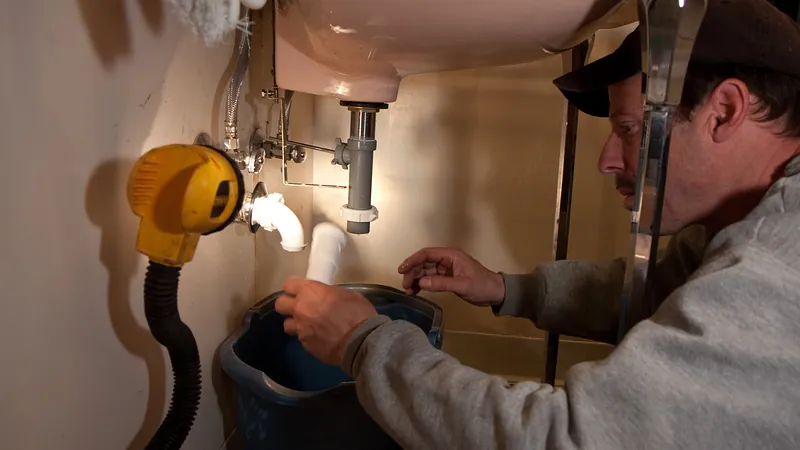
| July | Mid-monsoon | Look behind cupboards and under sinks for damp; air rooms on dry days |
| August | Steady rain | Inspect the terrace after heavy rain; keep drains clear |
| September | The wettest month | Report seepage early; keep electrical points in wet areas dry |
| October | Still wet | Repeat the September checks; plan any waterproofing work |
| November | After the rains | Look for new damp, mould and cracks; arrange general pest control |
| December | Year-end review | Electrical safety check; service the geyser; update the maintenance log |
Treat the months as a guide rather than a timetable. A wet year or a late summer shifts the jobs by a few weeks; the order stays the same.
Before the rains: terraces, drains and waterproofing
Water damage is one of the costliest problems a home can have, and much of it starts where water is meant to drain away. In April, before the May storms:
- clear terrace drains, balcony outlets and gutters of leaves, dust and debris;
- look for cracks in terrace waterproofing, parapet tops and around pipes that pass through walls or roofs;
- check the sealant around windows, and the grout in bathrooms on outside walls;
- clean the filters and pipes of any rainwater harvesting system.
Rainwater harvesting is not optional for many buildings: BWSSB requires it for buildings on sites of 60 by 40 feet and above, and for new buildings on sites of 30 by 40 feet and above. A system with blocked filters does little good, so cleaning them belongs on the pre-monsoon list.
Before the heat: air conditioners, fans and water
Book air-conditioner servicing in February, before the warm months, when technicians are usually easier to book. During heavy use, clean the filters every few weeks, or as the manufacturer recommends. Clean fan blades at the same time, and check that every fan runs without wobbling.
Summer is also when water use peaks. Check the overhead tank and sump for leaks and cracks, make sure float valves shut off properly, and fix dripping taps and running flushes, which waste more water than most people expect.
Tanks, filters and mosquitoes
Plan a professional clean of the overhead tank and the sump at least once a year, ideally before the rains, and sooner if the water looks, smells or tastes wrong. Change or service water filters as their manufacturers recommend. In an apartment block, shared tanks are usually the association's job; ask when they were last cleaned.
During the rains, mosquitoes need watching. The National Center for Vector Borne Diseases Control advises removing water from coolers and other small containers at least once a week, and notes that the mosquito which spreads dengue breeds in containers holding even small amounts of water: tanks, buckets, flower vases, plant saucers, roof gutters and refrigerator drip pans among them. Once a week, empty and dry anything that holds water, and keep tanks covered.
Pest control
A termite inspection before the rains and a general pest-control treatment after them suit most homes, with extra treatment between tenants. Termites are worth particular attention in homes with wooden wardrobes, doors and kitchen cabinets, because the damage is hidden until it is serious. Keep records of every treatment, including the product used and any warranty period the provider gives.
Electrical safety and geysers
Once a year, have a qualified electrician check the distribution board, the earthing, the condition of sockets and switches, and any residual-current device, the switch designed to cut the power if current leaks to earth. Press its test button from time to time; if it does not trip, have it checked. Replace scorched sockets and loose switches straight away rather than at the annual check.
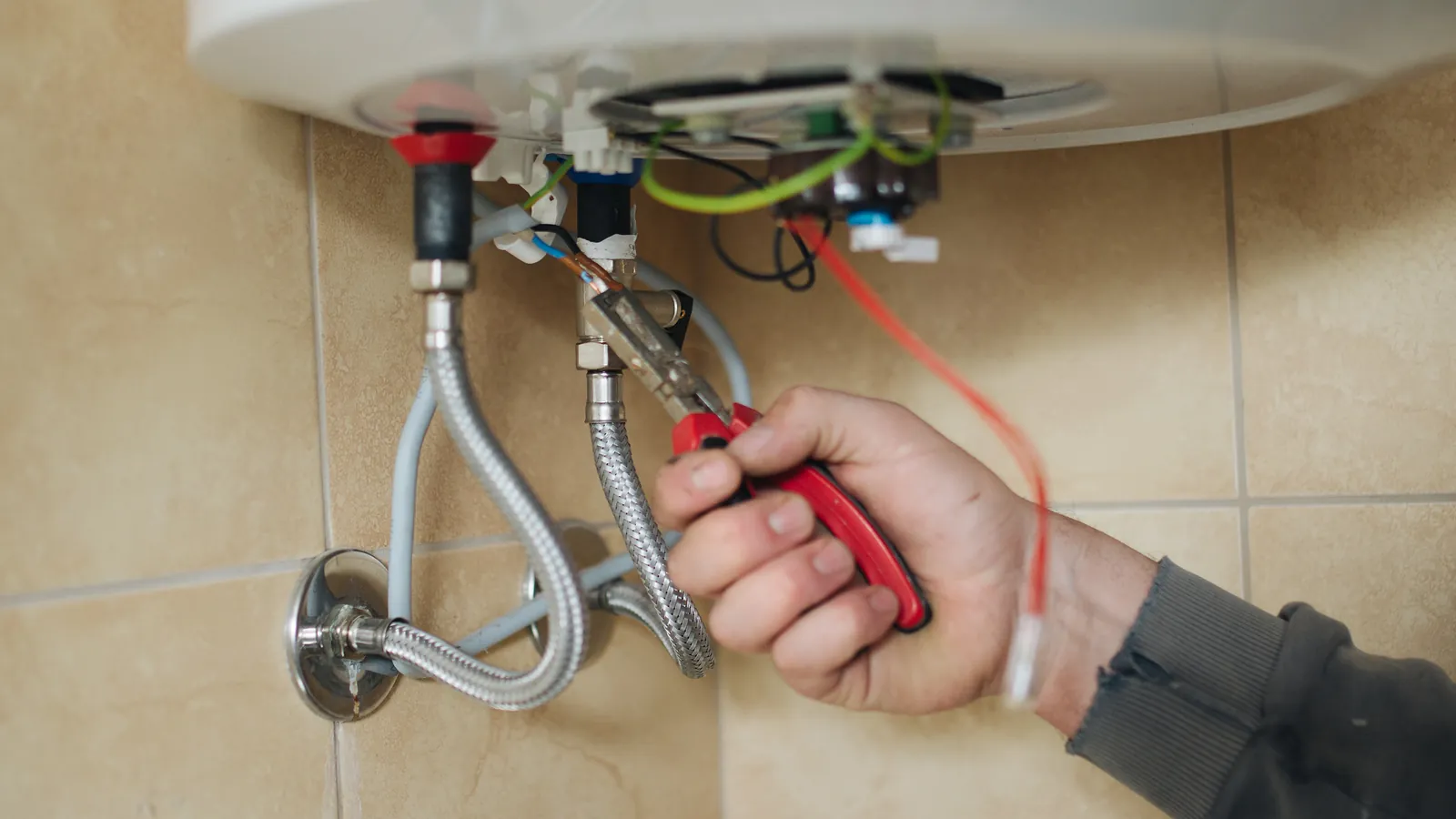
Service the geyser before the cooler months, following its manual: check the thermostat, the safety valve and the earthing, and flush sediment where the manufacturer recommends it. A geyser that trips the power, leaks or makes unusual noises should be switched off and checked.
Items the association manages
In an apartment, ask the association, or check its notices, for the schedule of shared maintenance: lift servicing, generator checks, sump and tank cleaning, pump maintenance, fire-safety checks, terrace waterproofing and common-area pest control. Owners can raise concerns through the association; tenants can report problems to the facility office and tell the owner or manager.
Keep a maintenance log
A simple log answers most later questions in seconds. For each job, note the date, what was done, by whom, the cost and who paid, and keep the invoice and a photograph. Over a tenancy, the log shows that the home was looked after, explains the age of every repair and settles the question of whose responsibility a problem was.
When Nest Partners manages a home, repairs are triaged, approved where the agreement requires, photographed and checked before they are closed, and inspections are planned twice a year with photo and video evidence. Owners see repairs and inspection reports in the owner portal, and tenants report problems in the tenant portal. How property inspections protect your rental home explains what an inspection should cover. For one-off jobs such as air-conditioner servicing, pest control or a deep clean, home services keeps the request, any quote and the visit in one tracked record.
Sources
Checked on 5 October 2026.
- Climatological table for Bengaluru, 1991–2020 (opens in a new tab) · India Meteorological Department, Meteorological Centre Bengaluru
- Frequently asked questions (FAQs) on monsoon (opens in a new tab) · India Meteorological Department
- Rain Water Harvesting (opens in a new tab) · Bengaluru Water Supply and Sewerage Board (BWSSB)
- Do's and Don'ts (opens in a new tab) · National Center for Vector Borne Diseases Control, Ministry of Health & Family Welfare
- Vector of dengue fever (opens in a new tab) · National Center for Vector Borne Diseases Control, Ministry of Health & Family Welfare
- Home care
- Maintenance
- Bengaluru
- Owners
- Tenants
Written and published by
Nest Partners Editorial Team
The editorial team of Nest Partners, a technology-enabled residential property management company headquartered in Bengaluru and working with owners and tenants in Bengaluru, Hyderabad and Mumbai. Rules and rates are checked against the primary sources listed, on the date shown. How Insights is written · About Nest Partners
Own a rental home?
Let a property manager run it with you.
Nest Partners runs the tenancy end to end, from tenant placement and rent to repairs, inspections and the records, with approvals, statements and inspection reports in your owner portal.