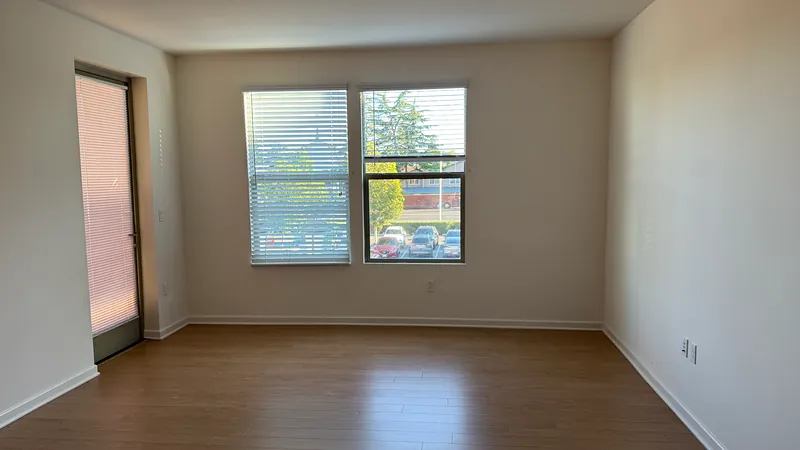
Renting out your flat in Bengaluru: an owner's checklist
Preparing the home, researching the rent, screening applicants, getting the agreement and registration right, and recording the handover: a practical checklist for Bengaluru owners.
By Nest Partners Editorial Team
Published 5 October 20264 min readSources checked 5 October 2026

Key takeaways
- Renting out a flat in Bengaluru follows six steps in order: prepare, price, screen, agree, record and hand over.
- Price against comparable homes that are actually available now, not against old asking rents.
- Agreements are stamped under Karnataka law, and registration is compulsory for a lease of more than a year.
- The move-in record you make on day one is what the deposit settlement rests on at move-out.
Renting out a flat in Bengaluru comes down to six jobs, done in order: get the home rent-ready, price it against real comparables, screen applicants consistently, get the agreement and its stamping right, record the move-in, and hand over properly. Bengaluru is Nest Partners' home city, and most owners we meet here are letting for a practical reason: a move for work, a second home, or a family property that should not sit empty. None of the steps is complicated, but skipping one early tends to cost time later. For what happens once the tenant is in, see property management in Bengaluru.
1. Get the home rent-ready
- Fix what you already know is broken: taps, switches, door locks, water heaters, exhaust fans.
- Deep-clean the flat, including the balcony, the kitchen chimney and any storage you are leaving.
- Decide what stays. Furniture and appliances you leave behind become part of the tenancy and must be listed.
- Check the association's rules for tenants: registration, move-in deposits, permitted move-in days and parking.
- Keep ownership proof, the latest maintenance receipt and the utility account details ready.
From vacant flat to rental income goes through the preparation in more detail.
2. Research the rent honestly
Look at comparable homes in your locality that are actually available now, not asking prices from months ago. Compare like for like: configuration, floor, furnishing and building age. A flat priced for the market lets sooner; one priced for a hope sits empty, and every empty month costs more than a slightly lower rent would have. Decide in advance what you are flexible on: rent, deposit, furnishing, pets, lock-in.
Who rents also varies by area, as the neighbourhood guide for owners describes for places such as Whitefield, HSR Layout and Hebbal. If you are weighing the return as well as the rent, rental yield and cash flow shows how to work out the numbers.
3. Screen before you say yes
Treat screening as a short, consistent routine rather than a judgement call:
- Verify identity for every adult with a government photo ID, and confirm the current address.
- Check that the rent fits the household's income, and that the household suits the home.
- Ask about the intended tenancy length and the move-in date.
- Agree the rent, deposit, notice period and who maintains what before anyone drafts a document.
Where police verification applies, it goes through the local police process, coordinated by you or your manager. Visits should be arranged, not open-ended; if someone else is showing the flat, make sure they confirm visits with you first. Tenant screening explains a fair routine and what not to ask, and tenant placement shows how Nest Partners runs this stage, with you approving the tenant.
4. Get the agreement, stamping and registration right
Put every agreed term into the rental agreement: rent and due date, the deposit and how it is returned, the notice period, maintenance responsibilities, the inventory, and the rules on subletting and alterations. Stamp duty is paid on the agreement, and registration becomes compulsory for longer terms, so check what applies to yours rather than reusing a template from a friend; rental agreements in Bengaluru explains the common 11-month term, and a lawyer can advise on anything unusual. Nest Partners prepares the agreement, coordinates registration where it applies and shares the stamp duty and registration charges with you in writing before you commit. Agreements are reviewed and approved online, with no Nest Partners processing fee, and e-signing is being introduced.
5. Record the inventory and condition
Before the tenant moves in, walk the flat and record it: each room's condition, every item you are leaving, dated photos of walls, floors, fittings and appliances, and the meter readings. Have both sides sign. This is the document the deposit conversation rests on at move-out, so make it boring and complete; move-in inventory and condition records lists what it should contain.
6. Hand over properly
On move-in day, hand over the keys and access cards against a written list, share the utility account details and the association's contacts, and confirm the first rent date and the payment method. Give the tenant one clear way to report problems. A tidy handover sets the tone for the whole tenancy.
Mistakes that cost owners time
- Listing before the repairs are done, then showing a home that looks neglected.
- Pricing from an old asking rent rather than what is available today.
- Agreeing terms by phone and leaving them out of the written agreement.
- Skipping the move-in record because the tenant "seems fine".
- Accepting cash without a receipt, or changing the rent account mid-tenancy.
After move-in
The work continues after the handover: rent needs following up and receipting, repairs need approving and tracking, the home needs inspecting, and the move-out needs settling against the record you made on day one. Nest Partners plans inspections twice a year, with photo and video evidence. If you are deciding whether to do this yourself, self-managing vs hiring a property manager sets out what the work involves; either way, keep every receipt, message and photo in one place from the first day.
Sources
Checked on 5 October 2026.
- The Registration Act, 1908 (opens in a new tab) · Department of Stamps and Registration, Government of Karnataka
- Stamp Duty and Registration Fees (opens in a new tab) · Department of Stamps and Registration, Government of Karnataka
- FAQ: Online Police Services (opens in a new tab) · Karnataka State Police
- Owners
- Bengaluru
- Checklist
Written and published by
Nest Partners Editorial Team
The editorial team of Nest Partners, a technology-enabled residential property management company headquartered in Bengaluru and working with owners and tenants in Bengaluru, Hyderabad and Mumbai. Rules and rates are checked against the primary sources listed, on the date shown. How Insights is written · About Nest Partners
Own a rental home?
Let a property manager run it with you.
Nest Partners runs the tenancy end to end, from tenant placement and rent to repairs, inspections and the records, with approvals, statements and inspection reports in your owner portal.